
Don’t Get Caught Unprepared: CDOT Traction Law Penalties and Winter Road Hazards
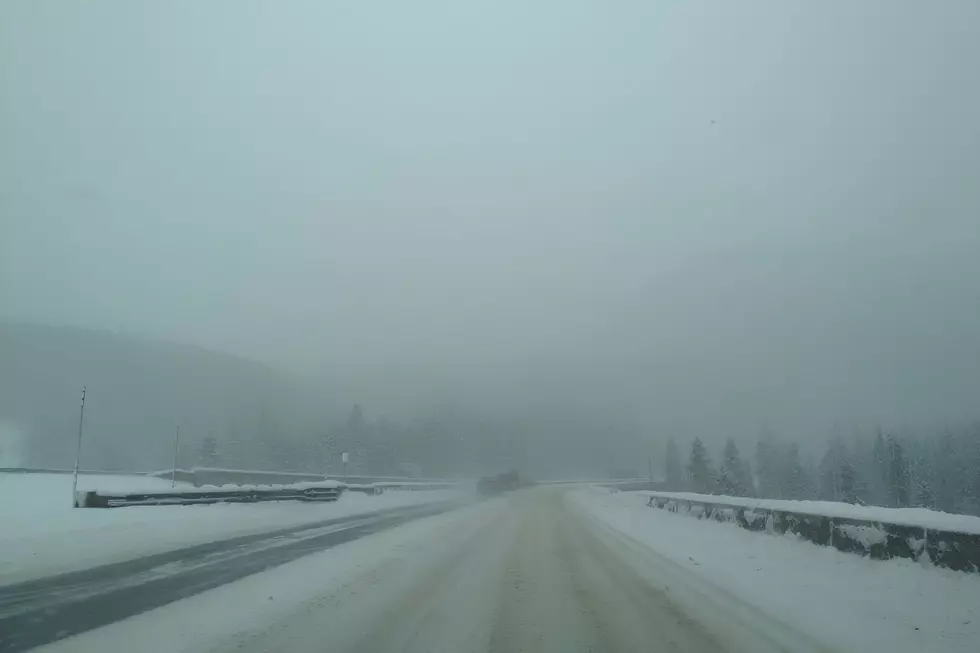
The Grand Valley lulls you into a false sense of security every winter. It can be sunny on North Avenue and a whiteout 30 minutes up the road.
Here's what the law expects from you, and what three of our nastiest winter roads are going to throw at you.

Colorado's Traction Law and Chain Law
When CDOT turns on the Traction Law, you need tires with at least 3/16 of an inch of tread, marked M+S, M/S, all-weather, or with the mountain-and-snowflake symbol. No good tires? Then you need chains or an approved traction device, like an AutoSock, on two drive tires.
A 2026 state law made it clear those rules cover two-wheel-drive vehicles, too. Four-wheel drive doesn't get you off the hook. Your tires do.
The Traction Law is on automatically on I-70 from Dotsero to Morrison from September through May, and CDOT can switch it on for any state highway during a storm. Get caught without the right setup and you get a ticket. Block a lane and that ticket gets a lot bigger.
The Chain Law means everybody needs chains or a traction device. CDOT rarely uses it for cars because it's the last step before closing the road. If you see it posted, turn around and go home.
Highway 65 Over the Grand Mesa
The weather at the Mesa exit tells you nothing about the weather on top. Dry pavement can turn into snowpack and ice in a matter of minutes.
CDOT also closes the gates near Grand Mesa Lodge and Mesa Lakes Lodge for avalanche work after big storms, so check before you leave the house.
I-70 Through De Beque Canyon
Shaded curves hold ice long after the rest of the interstate dries out, and rockfall has shut the canyon down more than once.
In December 2023, a pileup of at least 18 vehicles closed westbound I-70 between Parachute and De Beque for about six hours. Slow down and leave yourself room.
Read More: Colorado Wildlife Collision Hot Spots: The Riskiest Highway
Red Mountain Pass on US 550
Red Mountain tops out at 11,018 feet and runs under nearly 100 named avalanche paths, with long drops toward the Uncompahgre River. Avalanches on this highway have killed three CDOT plow drivers.
If you don't have to drive it in a storm, don't.
What to Keep in Your Car This Winter
- An ice scraper and a small shovel
- Blankets, a hat, and gloves
- Water and snacks
- A flashlight, a phone charger, and jumper cables
- Kitty litter or sand for traction
Keep your tank at least half full, too. Cell service out here is spotty, and help can take a while.
Check COtrip Before You Go
Closures, traction law alerts, and road cameras are all at COtrip.org, on the COtrip app, or by calling 511.
It takes 30 seconds to check, which is a lot quicker than waiting on a tow truck.
10 Essential Tips for Navigating Colorado’s Snowy Highways Like A Pro
Gallery Credit: Wesley Adams
Are You Brave Enough to Drive Colorado's Most Perilous Roads?
Gallery Credit: Tim Gray